Improve School Bus Stop Safety Today
Every day, millions of children rely on school buses to get to and from school safely. However, the journey begins long before they step onto the bus. The bus stop is a critical point where safety must be prioritized. Unfortunately, many bus stops lack the necessary safety measures, putting children at risk. In this blog post, we will explore practical strategies to improve school bus stop safety, ensuring that our children can travel to school without fear.
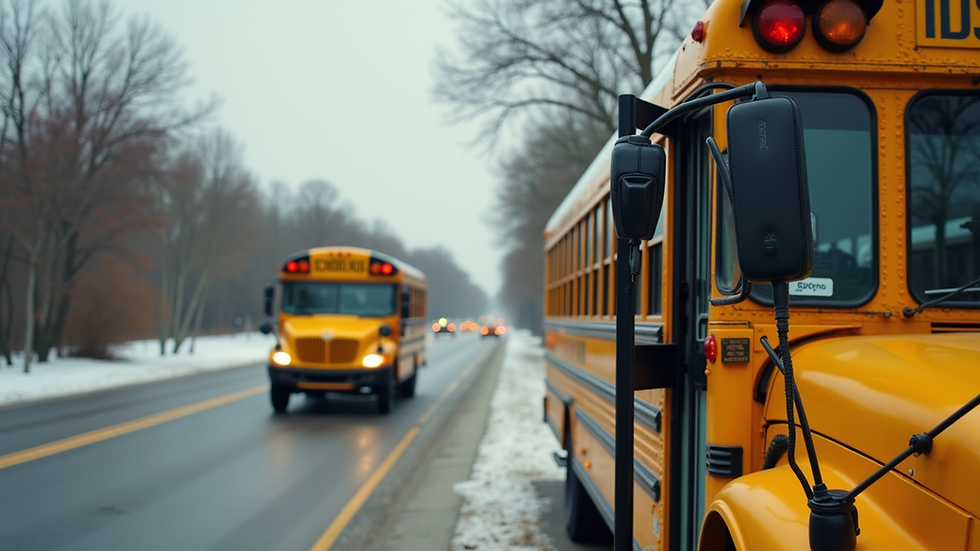
Understanding the Risks at Bus Stops
Before we can improve safety, it’s essential to understand the risks associated with school bus stops. According to the National Highway Traffic Safety Administration (NHTSA), most school bus-related injuries occur outside the bus, particularly at bus stops. Here are some common risks:
Traffic Hazards: Many bus stops are located near busy roads, increasing the likelihood of accidents.
Poor Visibility: Inadequate lighting and signage can make it difficult for drivers to see children waiting for the bus.
Crowded Waiting Areas: When too many children gather at a bus stop, it can lead to chaos and increase the risk of accidents.
By identifying these risks, we can take actionable steps to mitigate them.
Creating Safe Bus Stop Locations
One of the first steps in improving bus stop safety is selecting appropriate locations. Here are some guidelines for choosing safe bus stop sites:
Distance from Traffic: Bus stops should be located at least 10 feet away from the road to minimize the risk of children stepping into traffic.
Visibility: Ensure that the bus stop is in a well-lit area, making it easier for drivers to see children waiting.
Accessibility: The location should be easily accessible for all children, including those with disabilities.
Example: A Case Study in Safe Bus Stop Locations
In a recent initiative in Springfield, local authorities relocated several bus stops that were too close to busy intersections. By moving them to quieter streets with better visibility, they significantly reduced the number of near-miss incidents. This case illustrates the importance of thoughtful planning in ensuring safety.
Implementing Safety Measures
Once safe locations are established, it’s crucial to implement safety measures that protect children at bus stops. Here are some effective strategies:
Signage and Markings
Clear Signage: Install signs that indicate the bus stop and remind drivers to slow down. Use bright colors and reflective materials to enhance visibility.
Road Markings: Use paint to mark the bus stop area clearly. This can include designated waiting zones and pedestrian crossings.
Physical Barriers
Fencing: Consider installing fencing around bus stops to prevent children from wandering into traffic.
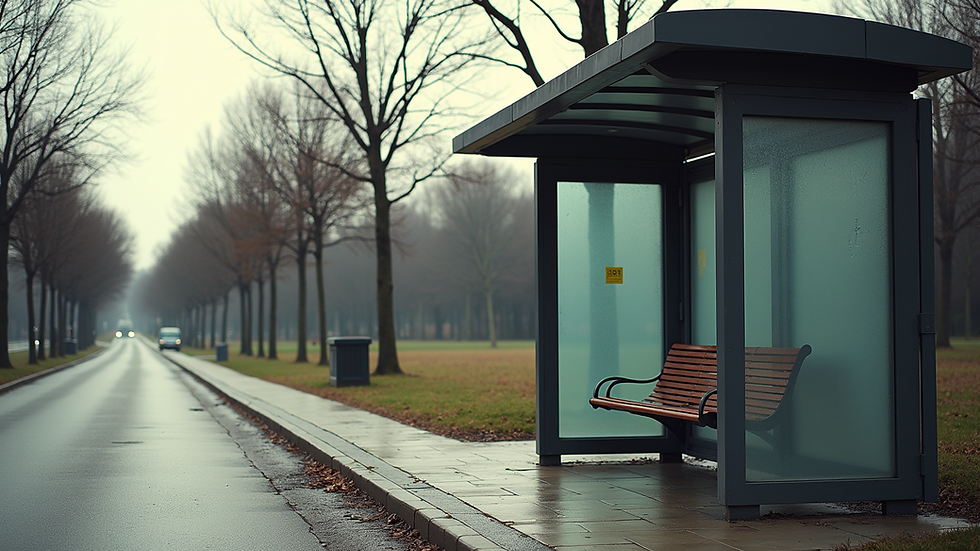
Bus Stop Shelters: Providing shelters can protect children from inclement weather and keep them in a designated waiting area.
Example: Successful Implementation of Safety Measures
In a pilot program in a suburban district, the installation of bright, reflective signage and road markings led to a 30% decrease in traffic violations near bus stops. This demonstrates how simple changes can have a significant impact on safety.
Educating Children and Parents
Education plays a vital role in ensuring safety at bus stops. Both children and parents should be informed about safe practices. Here are some educational initiatives to consider:
Safety Workshops
Workshops for Parents: Organize workshops that teach parents how to talk to their children about bus stop safety. Topics can include waiting for the bus, crossing the street, and recognizing traffic signals.
School Programs: Implement safety programs in schools that educate children about safe behaviors at bus stops. Interactive activities can make learning fun and memorable.
Example: Community Engagement in Education
A local school district partnered with law enforcement to host a safety day, where children learned about bus safety through games and demonstrations. This initiative not only educated children but also fostered a sense of community involvement.
Encouraging Community Involvement
Community involvement is essential for improving bus stop safety. When parents, schools, and local organizations work together, they can create a safer environment for children. Here are some ways to encourage community participation:
Neighborhood Watch Programs
Forming Groups: Encourage parents to form neighborhood watch groups that monitor bus stops during peak hours. This can deter reckless driving and promote safety.
Collaboration with Local Authorities: Work with local law enforcement to ensure regular patrols near bus stops, enhancing safety and community awareness.
Example: Successful Community Initiatives
In a recent initiative in a small town, parents formed a neighborhood watch group that successfully reduced speeding near bus stops. Their efforts led to increased awareness and cooperation from local drivers.
Leveraging Technology for Safety
Technology can also play a significant role in enhancing bus stop safety. Here are some innovative solutions:
Mobile Apps
Bus Tracking Apps: Encourage parents to use bus tracking apps that provide real-time updates on bus locations. This can help parents ensure their children are at the bus stop on time.
Safety Alerts: Some apps allow parents to receive alerts about bus delays or emergencies, keeping them informed and proactive.
Example: Technology in Action
A school district implemented a bus tracking app that allowed parents to monitor their children’s bus routes. This not only improved safety but also reduced anxiety for parents, knowing they could track their child’s journey.
Conclusion: Taking Action for Safer Bus Stops
Improving school bus stop safety is a collective responsibility that requires the involvement of parents, schools, and communities. By understanding the risks, creating safe locations, implementing effective measures, educating families, and leveraging technology, we can make significant strides in ensuring our children’s safety.
As we move forward, let’s commit to taking action. Whether it’s advocating for safer bus stop locations, participating in community initiatives, or educating our children, every effort counts. Together, we can create a safer environment for our children as they embark on their daily journeys to school.
Let’s prioritize school bus stop safety today for a brighter, safer tomorrow.
Comments