Advocating for Safer School Bus Stops Nationwide
Every day, millions of children across the United States rely on school buses to get to and from school. While school buses are one of the safest modes of transportation, the bus stops themselves can pose significant risks. Advocating for safer school bus stops is not just a matter of convenience; it is a matter of safety and well-being for our children. In this blog post, we will explore the current challenges surrounding school bus stops, highlight successful initiatives, and provide actionable steps for communities to take in order to enhance safety for our children.
Understanding the Risks
The Current Landscape
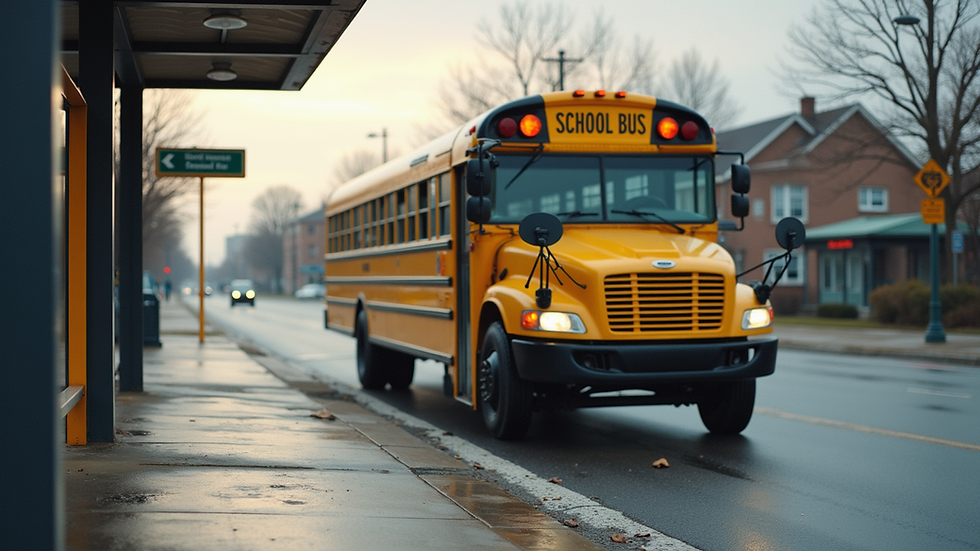
School bus stops are often located in areas that may not be ideal for child safety. Many stops are situated near busy roads, lack proper signage, or do not have designated waiting areas. According to the National Highway Traffic Safety Administration (NHTSA), approximately 20 children are killed each year while getting on or off a school bus. This statistic underscores the urgent need for improved safety measures.
Common Hazards
Traffic Congestion: Many bus stops are located near high-traffic areas, increasing the risk of accidents.
Poor Visibility: Inadequate lighting and signage can make it difficult for drivers to see children waiting for the bus.
Lack of Supervision: In many neighborhoods, children wait for the bus without adult supervision, which can lead to risky behavior.
Inadequate Infrastructure: Many stops lack sidewalks, benches, or safe waiting areas, forcing children to stand in unsafe conditions.
Successful Initiatives
Case Study: Safe Routes to School
One successful initiative is the Safe Routes to School program, which aims to improve safety for children traveling to and from school. This program has led to the implementation of various safety measures, including:
Improved Signage: Clear and visible signs alert drivers to school zones and bus stops.
Traffic Calming Measures: Speed bumps, crosswalks, and reduced speed limits help slow down traffic near schools.
Community Engagement: Involving parents, schools, and local governments in safety discussions fosters a collaborative approach to improving safety.
Example: The City of Seattle
Seattle has made significant strides in enhancing school bus stop safety. The city has implemented a comprehensive plan that includes:
Dedicated Bus Stop Zones: Clearly marked areas for school buses to pick up and drop off children.
Increased Lighting: Installing brighter streetlights near bus stops to improve visibility during early morning and late afternoon hours.
Community Workshops: Engaging with parents and community members to gather feedback and ideas for improving safety.
Actionable Steps for Communities
Assessing Current Bus Stop Conditions
Communities should start by assessing the current conditions of school bus stops. This can be done through:
Surveys: Gather input from parents, students, and school staff about their experiences and concerns regarding bus stops.
Site Visits: Conduct on-site evaluations to identify hazards and areas for improvement.
Collaborating with Local Authorities
Building partnerships with local government and law enforcement can lead to more effective safety measures. Communities can:
Advocate for Policy Changes: Work with local officials to implement policies that prioritize school bus stop safety.
Request Traffic Studies: Encourage local authorities to conduct studies on traffic patterns and safety concerns near bus stops.
Implementing Safety Measures
Once the assessment is complete, communities can begin implementing safety measures, such as:
Installing Signage: Ensure that all bus stops have clear and visible signs indicating their purpose and any safety rules.
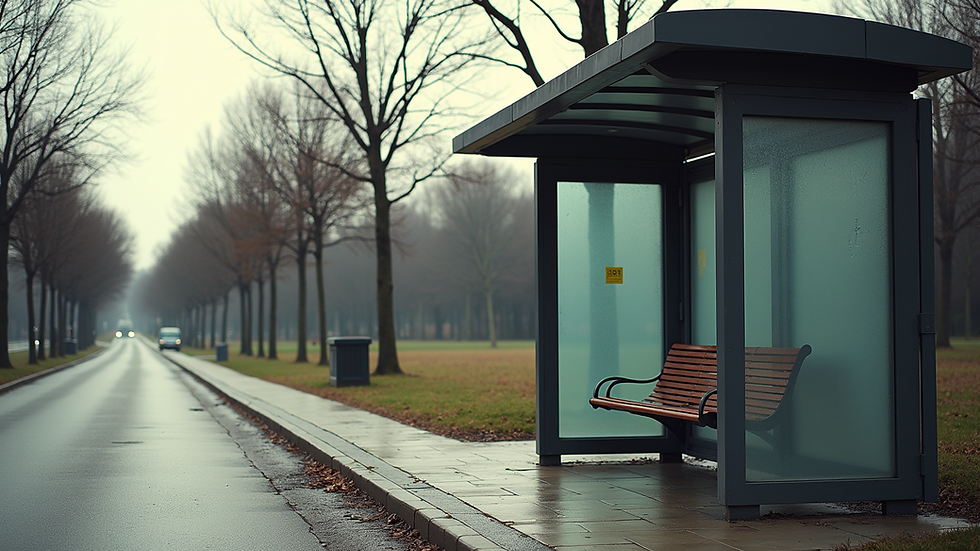
Creating Safe Waiting Areas: Develop designated waiting areas that are away from traffic and equipped with benches and shelters.
Increasing Visibility: Improve lighting and visibility around bus stops to ensure children can be seen by drivers.
Engaging the Community
Raising Awareness
Community engagement is crucial for advocating for safer school bus stops. Here are some ways to raise awareness:
Organize Community Meetings: Hold meetings to discuss safety concerns and gather input from parents and community members.
Utilize Social Media: Share information and updates about safety initiatives on social media platforms to reach a wider audience.
Create Educational Materials: Develop flyers, brochures, or newsletters that highlight the importance of bus stop safety and ways to improve it.
Involving Students
Encouraging students to take an active role in advocating for their safety can be empowering. Schools can:
Host Safety Workshops: Teach students about safe behaviors while waiting for and boarding the bus.
Create Safety Committees: Form committees that include students, parents, and teachers to discuss safety issues and propose solutions.
The Role of Technology
Innovative Solutions
Technology can play a significant role in enhancing school bus stop safety. Some innovative solutions include:
Mobile Apps: Apps that provide real-time bus tracking can help parents know when their children will arrive at the bus stop.
Traffic Cameras: Installing cameras near bus stops can deter reckless driving and provide evidence in case of accidents.
Smart Signage: Digital signs that display real-time information about bus arrivals can help reduce congestion and improve safety.
Conclusion
Advocating for safer school bus stops is a collective responsibility that requires the involvement of parents, schools, local governments, and communities. By understanding the risks, learning from successful initiatives, and taking actionable steps, we can create a safer environment for our children. It is essential to prioritize the safety of our youngest citizens and ensure that their journey to and from school is as safe as possible.
Let’s work together to make a difference in our communities. Start by assessing your local bus stops, engaging with your neighbors, and advocating for the changes that will keep our children safe. Together, we can build a safer future for our children at school bus stops nationwide.
Comments